श्री दुर्गा प्रश्नावलीDurga Prashnavali from the nine forms of Navadurga
- Remember Maa Durga and pray with a sincere heart
- Hold one clear question in your mind
- Touch the number in the chart below that you feel drawn to
- Read the verse of the form of the Goddess and your answer below
| 01 | 02 | 03 | 04 | 05 | 06 |
| 07 | 08 | 09 | 10 | 11 | 12 |
| 13 | 14 | 15 | 16 | 17 | 18 |
| 19 | 20 | 21 | 22 | 23 | 24 |
| 25 | 26 | 27 | 28 | 29 | 30 |
| 31 | 32 | 33 | 34 | 35 | 36 |
What Is the Durga Prashnavali?
This Durga Prashnavali is built on the Navadurga, the nine forms of the Goddess worshipped on the nine nights of Navratri: Shailaputri, Brahmacharini, Chandraghanta, Kushmanda, Skandamata, Katyayani, Kalaratri, Mahagauri and Siddhidatri. Each form has a traditional dhyana verse recited on her day, and those nine verses are the nine answers here.
The chart has 36 numbers. The number you choose leads to one of the nine forms, each appearing four times among the numbers, so every answer has an equal chance. The verse is shown in Sanskrit with its meaning and a reading of whether your matter is favourable. Devotees ask here especially during the two Navratris, in Chaitra and in Ashwin.
It is also searched for as the Mata Prashnavali, Devi Prashnavali or Navratri Prashnavali; it is the same chart. With every form's mantra explained, the page also serves as the nine Navadurga mantras with their meaning.
The Nine Forms and Their Answers
- शैलपुत्री
वन्दे वाञ्छितलाभाय चन्द्रार्धकृतशेखराम्।
वृषारूढां शूलधरां शैलपुत्रीं यशस्विनीम्॥
Shailaputri, daughter of the mountain, the first form. I bow, for the gain of what is wished for, to the glorious one who wears the half-moon on her crown, rides the bull and holds the trident.
The verse itself is a prayer for the gain of what is wished, and the first form is the firmest. A strong beginning, like the mountain she comes from. Yes. (Yes) - ब्रह्मचारिणी
दधाना करपद्माभ्यामक्षमालाकमण्डलू।
देवी प्रसीदतु मयि ब्रह्मचारिण्यनुत्तमा॥
Brahmacharini, the second form, who holds a rosary and a water-pot in her lotus hands. May the supreme Goddess of penance be pleased with me. She won Shiva by years of austerity.
The fruit here comes through discipline and time, as her penance did. Not yet; keep at the practice and the result follows. (Wait) - चन्द्रघण्टा
पिण्डजप्रवरारूढा चण्डकोपास्त्रकैर्युता।
प्रसादं तनुते मह्यं चन्द्रघण्टेति विश्रुता॥
Chandraghanta, the third form, riding the finest of lions, armed with weapons and fierce in anger, yet famed as the one who spreads grace over me.
Courage is asked for and courage is rewarded. Face the matter squarely; the one who rides the lion is on your side. Yes. (Yes) - कूष्माण्डा
सुरासम्पूर्णकलशं रुधिराप्लुतमेव च।
दधाना हस्तपद्माभ्यां कूष्माण्डा शुभदास्तु मे॥
Kushmanda, the fourth form, who holds in her lotus hands the pot brimming with nectar. May she be the giver of good to me. With her smile she brought forth the cosmic egg, the universe itself.
The verse is a blessing of abundance, and this form creates with a smile. Something new is being made in your matter. Yes. (Yes) - स्कन्दमाता
सिंहासनगता नित्यं पद्माश्रितकरद्वया।
शुभदास्तु सदा देवी स्कन्दमाता यशस्विनी॥
Skandamata, the fifth form, mother of Skanda, ever seated on the lion throne with a lotus in each hand. May the glorious Goddess always be the giver of good.
The mother's answer: it grows when it is nurtured, and growing takes its own time. Good, especially in matters of family and children, but not instant. Wait and tend it. (Wait) - कात्यायनी
चन्द्रहासोज्ज्वलकरा शार्दूलवरवाहना।
कात्यायनी शुभं दद्याद्देवी दानवघातिनी॥
Katyayani, the sixth form, with the bright sword Chandrahasa in her hand, riding the finest of tigers. May the Goddess who slays the demons give good.
A demon has to fall first. There is a fight in this matter, and it is hers, not yours, to win. Not now; unless you are ready to see it through, hold back. (Not now) - कालरात्रि
एकवेणी जपाकर्णपूरा नग्ना खरास्थिता।
लम्बोष्ठी कर्णिकाकर्णी तैलाभ्यक्तशरीरिणी॥
वामपादोल्लसल्लोहलताकण्टकभूषणा।
वर्धन्मूर्धध्वजा कृष्णा कालरात्रिर्भयङ्करी॥
Kalaratri, the seventh form, the dark night: a single braid, a hibiscus at her ear, riding a donkey, her body anointed with oil, iron thorns on her feet, her hair flying like a banner, black and terrible to look upon. Yet devotees call her Shubhankari, the one who brings good.
This is the darkest of the forms, and it passes, as night does. A hard stretch lies in the matter; do not act in the middle of it. Wait for it to pass. What follows is good. (Wait) - महागौरी
श्वेते वृषे समारूढा श्वेताम्बरधरा शुचिः।
महागौरी शुभं दद्यान्महादेवप्रमोददा॥
Mahagauri, the eighth form, pure, seated on a white bull and dressed in white. May the great fair Goddess, who gives joy to Mahadev, give good.
Purity and peace after hardship: the night has given way to brightness. Yes; the matter clears and settles well. (Yes) - सिद्धिदात्री
सिद्धगन्धर्वयक्षाद्यैरसुरैरमरैरपि।
सेव्यमाना सदा भूयात् सिद्धिदा सिद्धिदायिनी॥
Siddhidatri, the ninth form, served always by siddhas, gandharvas, yakshas, asuras and gods alike. May the giver of every accomplishment grant accomplishment.
The last form is the giver of accomplishment. Completion; what you began reaches its end. Yes. (Yes)
Rules of the Prashnavali
- Ask one question at a time.
- Do not ask the same question repeatedly.
- No more than three questions in a day.
- Read the answer with faith and reflect on it. For important decisions, also use your own judgment.
Frequently Asked Questions
Is the Durga Prashnavali free?
Yes. It is free, with no sign-up and no login.
Where do the verses come from?
They are the traditional dhyana verses of the nine Navadurga forms, recited on the nine days of Navratri along with the Durga Saptashati.
Is this the Mata or Devi prashnavali?
Yes. Durga, Mata Rani, Devi and the nine Navadurga forms are one Goddess, and this is the one prashnavali for all of them.
Does it give a yes or no answer?
Each answer ends with Yes, Wait or Not now, along with the verse and its meaning.
Can I ask the same question again?
By tradition, not on the same day. Ask once, with faith, and reflect on the answer.
Are the answers true?
A prashnavali is a devotional practice. Devotees read the answers with faith and find guidance in them. It is not a guarantee of any outcome.
More prashnavalis on this site
- Ram Shalaka Prashnavali: 225 letters from Shri Ramcharitmanas leading to nine chaupais
- Hanuman Prashnavali: a chakra of 49 numbers with a yes or no answer
- Sai Baba Prashnavali: 720 numbered answers
- Shiv Prashnavali: the eight verses of the Rudrashtakam and its closing verse
- Ganesh Prashnavali: the twelve names of Ganesha
- Khatu Shyam Prashnavali: eleven names of Shyam Baba
A prashnavali is a devotional practice. For important decisions use your own judgment and take qualified advice. Privacy Policy.
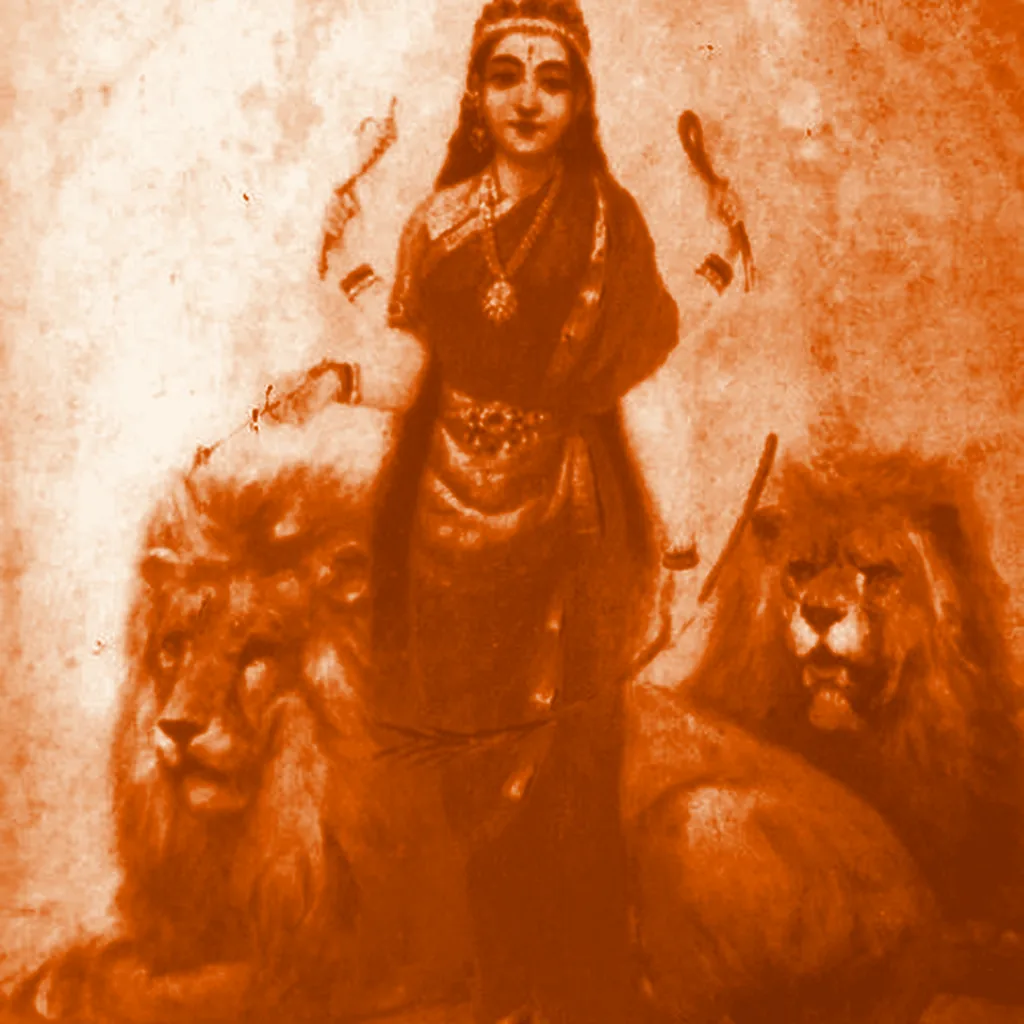
Image: Durga, after Raja Ravi Varma (public domain), recoloured in the site's palette.